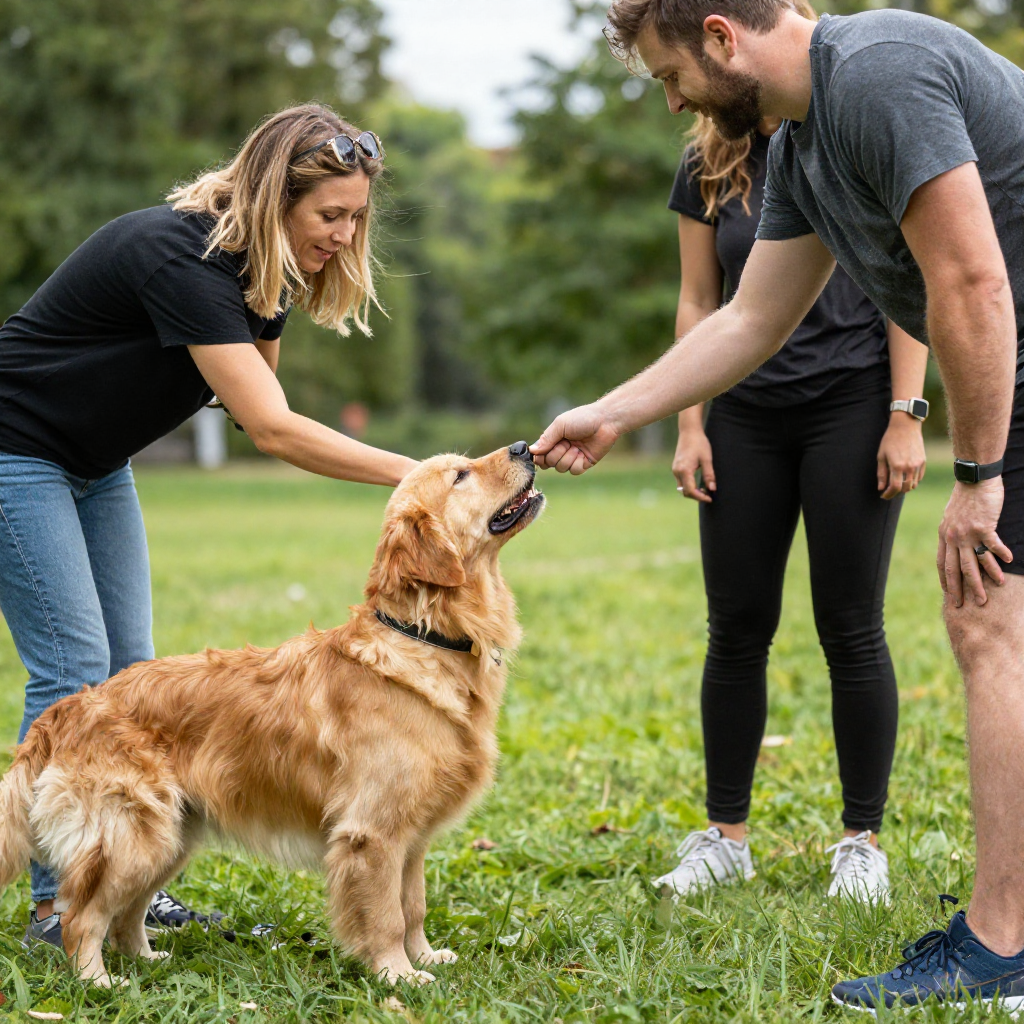
Walking a dog should be an enjoyable experience, but pulling, lunging, and constant tension on the leash can make everyday outings stressful for both dogs and owners. Loose leash walking lessons provide a structured approach to teaching dogs how to walk calmly while staying connected with their handlers. Instead of relying on force or frustration, effective leash training focuses on communication, consistency, and understanding canine behavior.
Many dogs pull because they have learned that moving forward creates rewards, such as reaching an exciting smell, greeting another dog, or exploring a new area. Through proper training techniques, dogs can learn that staying near their owner and walking with a relaxed leash leads to positive outcomes.
Professional guidance from experienced trainers, such as Rob’s Dog Training, can help owners understand the reasons behind leash pulling and develop practical strategies that create more enjoyable walks.
Why Loose Leash Walking Lessons Matter for Everyday Life
A dog that pulls on the leash is not simply being stubborn. Leash behavior is influenced by excitement, environmental distractions, previous experiences, and a dog’s instincts. Dogs experience the world through scent, movement, and interaction, which can make outdoor environments highly stimulating.
Loose leash walking lessons help dogs develop important skills, including:
- Maintaining a comfortable walking position beside their handler
- Responding to leash cues and verbal communication
- Remaining focused despite distractions
- Building confidence in unfamiliar environments
- Developing better impulse control during walks
These skills create safer and more predictable walking experiences. A dog that understands how to walk calmly is easier to manage around busy sidewalks, parks, neighborhoods, and other public spaces.
Beyond convenience, leash manners strengthen the relationship between dogs and their owners. Training encourages cooperation instead of conflict, allowing both partners to better understand each other.
Understanding Why Dogs Pull on the Leash
Before improving leash manners, it is important to understand why pulling happens. Dogs do not naturally understand that leash tension is undesirable. From their perspective, pulling often works.
For example, if a dog pulls toward another dog and eventually gets close enough to say hello, the pulling behavior has been rewarded. The dog learns that pulling creates opportunities to reach something interesting.
Common reasons dogs pull include:
Excitement and Curiosity
Outdoor environments offer countless distractions. New smells, sounds, people, animals, and movement can trigger excitement. A dog may pull because they want to investigate everything around them.
Lack of Previous Training
Many dogs never receive clear guidance about leash expectations. Without consistent practice, they continue using behaviors that feel natural.
Reinforced Habits
A behavior that repeatedly produces a desired result becomes stronger. If pulling allows a dog to move forward, explore, or receive attention, the dog may continue repeating it.
Stress or Fear
Some dogs pull because they are trying to move toward or away from something uncomfortable. Understanding body language and emotional responses is an important part of successful leash training.
Recognizing the cause of pulling allows owners to choose training methods that address the actual behavior rather than only correcting the visible problem.
What Dogs Learn During Loose Leash Walking Lessons
Effective leash training is not about making a dog walk perfectly from the beginning. It is about building reliable habits through gradual learning and positive reinforcement.
During loose leash walking lessons, dogs typically learn:
Focus and Engagement
A strong walking foundation begins with attention. Dogs learn to check in with their owners and respond to cues even when interesting distractions are nearby.
Proper Leash Pressure Response
Dogs can learn that constant leash tension is not a signal to pull harder. Instead, they are guided toward relaxed movement and better choices.
Impulse Control
Impulse control helps dogs pause before reacting to exciting situations. This skill can improve behavior around other dogs, pedestrians, wildlife, and unfamiliar environments.
Consistent Walking Patterns
Dogs benefit from predictable expectations. Clear routines help them understand where they should walk, how quickly they should move, and how to respond to changes.
With repetition and patience, these lessons become habits that support safer and more enjoyable daily walks.
How Positive Reinforcement Improves Leash Training
Modern dog training often emphasizes positive reinforcement because it focuses on rewarding desired behaviors rather than only correcting unwanted ones.
When a dog walks calmly with a loose leash, rewards such as treats, praise, or access to the environment can reinforce that behavior. Over time, the dog begins to understand that relaxed walking creates positive experiences.
Positive reinforcement can help dogs:
- Build confidence during training
- Stay motivated to learn
- Develop stronger communication with their owners
- Associate walks with positive experiences
Consistency is essential. Dogs learn through repetition, so owners should practice leash skills regularly in different environments. Training in a quiet area may be easier at first, while gradually introducing distractions helps dogs generalize their skills.
Choosing the Right Approach for Loose Leash Walking Lessons
Every dog has different learning needs. Age, breed tendencies, energy levels, previous experiences, and personality can all influence how a dog responds to leash training.
A successful approach considers the individual dog rather than applying the same method to every situation.
Important factors include:
Training Environment
Dogs often struggle more when distractions are high. Starting in a controlled environment allows dogs to understand expectations before practicing in busier areas.
Appropriate Equipment
The right equipment can support communication and safety. Depending on the dog, trainers may recommend options such as properly fitted collars, harnesses, or standard leashes.
Equipment should support training rather than replace it. A dog still needs to learn appropriate walking behavior through guidance and practice.
Owner Participation
Owners play a major role in long-term success. Dogs are more likely to maintain good habits when everyone handling them uses consistent cues and expectations.
Professional training can provide owners with techniques they can continue using long after lessons are completed.
Common Loose Leash Walking Mistakes to Avoid
Many owners unintentionally reinforce leash pulling without realizing it. Understanding common mistakes can make training more effective.
Allowing Pulling to Continue
If a dog learns that pulling eventually gets them where they want to go, the behavior becomes more difficult to change. Teaching alternative behaviors early creates better habits.
Expecting Immediate Results
Leash manners require practice. Some dogs improve quickly, while others need more time to develop focus and confidence.
Using Inconsistent Commands
Changing cues or expectations can confuse dogs. Clear communication helps dogs understand what behaviors are expected.
Ignoring Small Improvements
Progress often happens gradually. Rewarding small moments of calm behavior helps dogs understand what actions lead to success.
Training is a process built through patience, repetition, and trust.
The Benefits of Professional Dog Training Support
While many owners practice leash training at home, professional guidance can help identify challenges and create a more effective training plan.
Experienced trainers can evaluate factors such as:
- The dog’s current behavior patterns
- Environmental triggers
- Communication between owner and dog
- Training methods that match the dog’s needs
Professional instruction can also help prevent frustration by giving owners realistic expectations and practical strategies.
Rob’s Dog Training focuses on helping dogs and owners develop better communication through personalized training approaches. By understanding each dog’s behavior and learning style, owners can create stronger foundations for long-term success.
Building Better Walks Through Consistent Practice
Loose leash walking is a skill that improves over time. Like any learned behavior, it requires regular practice, clear expectations, and positive experiences.
Owners can support progress by:
- Practicing short training sessions regularly
- Rewarding calm walking behaviors
- Gradually introducing new distractions
- Staying patient during setbacks
- Maintaining consistent communication
Daily walks provide valuable opportunities for training. Every outing can become a chance for dogs to practice focus, self-control, and cooperation.
A well-trained dog does not simply follow commands. A well-trained dog understands how to communicate with their owner and make better choices in different situations.
Create More Enjoyable Walks With Loose Leash Walking Lessons
Walking together should strengthen the bond between dogs and their owners, not create daily frustration. Loose leash walking lessons give dogs the skills they need to navigate the world calmly while helping owners build clearer communication.
Through positive reinforcement, consistent practice, and individualized guidance, dogs can develop better walking habits that support safety, confidence, and enjoyment for everyone. At Rob’s Dog Training, owners can receive professional support to help their dogs build reliable leash manners and stronger everyday behaviors.
Whether a dog is young and learning basic manners or an older companion developing new skills, structured leash training can make a meaningful difference. With the right approach, every walk can become a more relaxed and rewarding experience for both dogs and their families.