Firewood provides an efficient, renewable, and cozy source of heat during the colder months. Whether you use a wood-burning stove, fireplace, outdoor fire pit, or pizza oven, properly stored firewood can burn more efficiently and safely. However, firewood can also become a temporary shelter for insects and other pests if it is stored incorrectly. Bringing infested or damp logs into your home may unintentionally introduce wood-boring beetles, ants, spiders, or rodents indoors.
The good news is that storing firewood properly can greatly reduce these risks while helping the wood stay dry and ready to burn. With the right storage location, good ventilation, and regular inspections, you can enjoy the warmth of a fire without creating unnecessary pest problems.
In this guide, you’ll learn the best practices for storing firewood while minimizing the risk of bringing pests into your home.
Why Firewood Attracts Pests
Freshly cut or stored wood naturally provides shelter for many insects and small animals.
Common reasons pests are attracted to firewood include:
- Protection from weather
- Moisture
- Natural cracks and bark
- Food sources beneath the bark
- Warm, sheltered storage areas
Most insects living in firewood remain outdoors, but problems can arise when infested logs are brought inside and stored for extended periods.
Common Pests Found in Firewood
Depending on your region, firewood may contain:
- Wood-boring beetles
- Bark beetles
- Carpenter ants
- Termites (in some regions)
- Spiders
- Earwigs
- Centipedes
- Rodents nesting nearby
Most of these organisms do not damage your home simply by being present in firewood, but proper storage helps reduce the chance of unwanted indoor visitors.
Store Firewood Away From the House
Avoid stacking firewood directly against exterior walls.
Instead, store it:
- Several feet away from the home where practical
- In a dedicated wood rack
- Under a covered shelter
- On well-drained ground
Keeping distance between the woodpile and the house reduces the likelihood of pests moving from the stack into the building.
Keep Firewood Off the Ground
Ground contact increases moisture and encourages insects.
Use:
- Firewood racks
- Pallets
- Concrete blocks
- Metal supports
Elevating the wood improves airflow and helps keep the logs dry.
Cover the Top, Not the Sides
Protect firewood from rain by covering only the top of the stack.
Leave the sides open so air can circulate freely.
Good ventilation helps:
- Dry the wood
- Reduce mold growth
- Lower moisture levels
- Make the wood less attractive to certain pests
Avoid wrapping the entire pile in plastic, as trapped moisture can slow drying.
Choose a Sunny, Well-Ventilated Location
Whenever possible, store firewood where it receives:
- Good airflow
- Sunlight
- Proper drainage
These conditions help reduce moisture and improve seasoning.
Burn Seasoned Firewood
Properly seasoned firewood contains less moisture than freshly cut wood.
Dry wood offers several benefits:
- Cleaner burning
- Better heat output
- Less smoke
- Reduced creosote buildup
- Lower likelihood of mold and moisture-related pest issues
Seasoning times vary depending on the wood species and local climate.
Inspect Firewood Before Bringing It Inside
Before carrying logs indoors, check for:
- Small round exit holes
- Loose bark
- Fine wood dust (frass)
- Visible insect activity
- Mold growth
If you notice signs of active insect infestation, avoid storing those logs inside your living space.
Bring Indoors Only What You Need
Rather than storing large quantities indoors, bring in only enough firewood for one or two days of use.
This simple habit reduces the chance that hidden insects will emerge inside the home.
Keep Indoor Storage Areas Clean
If you keep a small supply of firewood indoors:
- Sweep regularly.
- Remove bark and wood chips.
- Watch for insect activity.
- Store logs in a dry, well-ventilated area away from upholstered furniture.
Good housekeeping helps reduce pest attraction.
Monitor Nearby Wooden Structures
Firewood should not be stacked directly against:
- Wooden fences
- Decks
- Pergolas
- Timber sheds
- Exterior wooden walls
Maintaining separation reduces the possibility of pests moving between the woodpile and nearby timber structures.
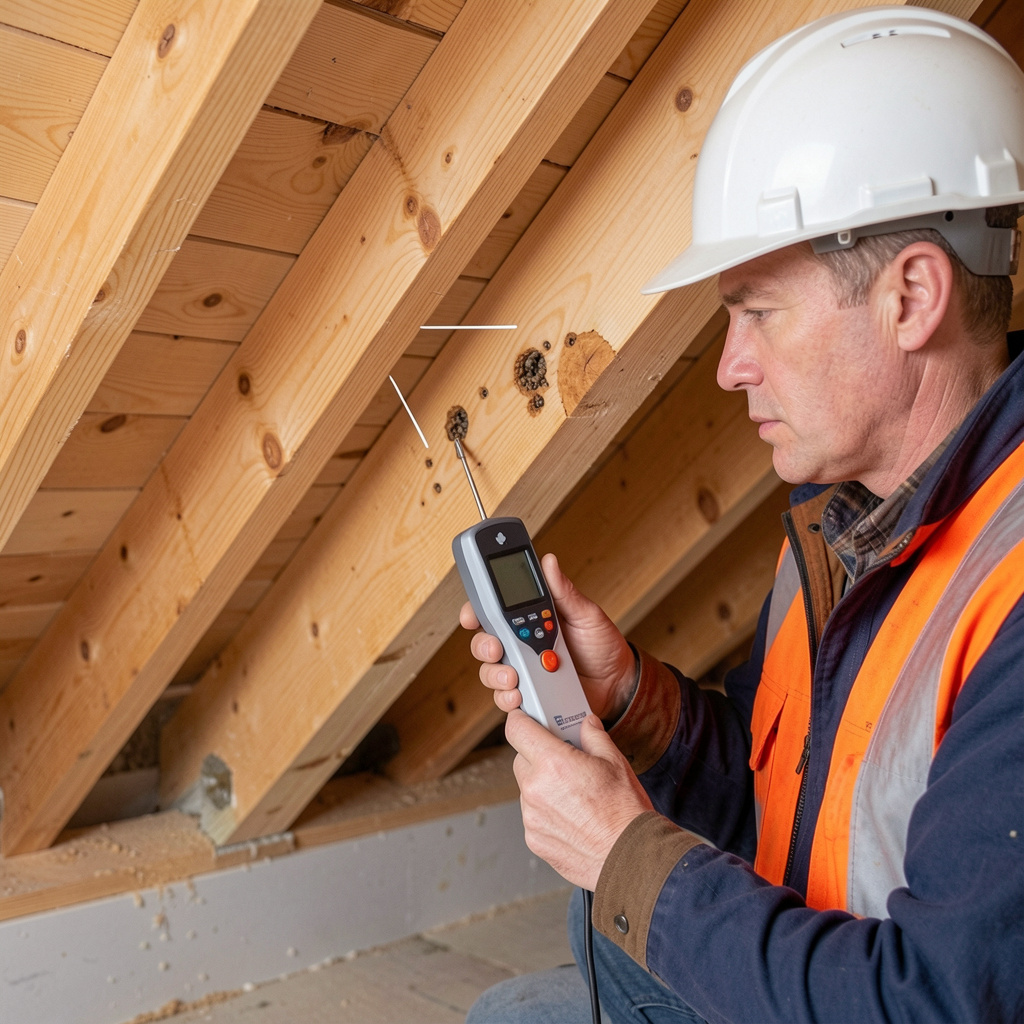
Modern Woodworm Treatment Options
If woodworm is discovered in structural timber or valuable wooden items, treatment depends on:
- Beetle species
- Severity of infestation
- Timber condition
- Accessibility
Professional options include approved chemical treatments and modern heat-based technologies.
Microwave Woodworm Treatment
One increasingly popular chemical-free option is microwave woodworm treatment.
Professional microwave equipment generates controlled heat inside timber using dielectric heating, raising the internal temperature to levels that eliminate:
- Woodworm larvae
- Beetle eggs
- Pupae
- Adult wood-boring beetles
Benefits
- Chemical-free
- No pesticide residues
- Targeted treatment
- Environmentally responsible
- Helps preserve original structural timber
- Suitable for many localized infestations where professional assessment confirms it is appropriate
A timber preservation specialist can determine whether this treatment is suitable if structural wood becomes infested.
Firewood Storage Checklist
For effective firewood storage:
- Store wood off the ground.
- Keep the stack away from the house.
- Cover only the top.
- Maintain good airflow.
- Use seasoned wood.
- Inspect logs before bringing them indoors.
- Bring inside only the amount needed for short-term use.
- Keep indoor storage areas clean.
Following these practices helps reduce pest problems while improving firewood quality.
Common Mistakes to Avoid
Avoid these common errors:
- Stacking firewood directly against the house.
- Wrapping the entire pile in plastic.
- Storing wet wood indoors.
- Bringing large quantities of firewood inside for long periods.
- Ignoring signs of insect activity.
Small changes in storage habits can significantly reduce pest risks.
Common Myths About Firewood Storage
Myth 1: All Firewood Contains Dangerous Pests
Fact: Most insects found in firewood are associated with dead wood and are unlikely to infest healthy structural timber. Proper storage further reduces any risk.
Myth 2: Firewood Should Be Stored Indoors All Winter
Fact: Large indoor woodpiles increase the chance of insects emerging inside the home. It’s better to store the main supply outdoors and bring in only what you need.
Myth 3: Covering the Entire Woodpile Is Best
Fact: Fully enclosing the pile can trap moisture and slow seasoning. Covering only the top while leaving the sides open usually provides better ventilation.
When Should You Contact a Professional?
Professional advice is recommended if you notice:
- Fresh frass around structural timber.
- New exit holes in wooden beams or furniture.
- Persistent insect activity inside the home.
- Soft structural timber.
- Signs of fungal decay.
- Suspected woodworm infestation in your property.
A qualified timber preservation specialist can inspect your home, determine whether pests have affected structural timber, and recommend the most appropriate treatment or preventive measures.Visit online https://www.shashel.eu for more details.
Conclusion
Proper firewood storage is one of the simplest ways to reduce the likelihood of bringing insects into your home while keeping your wood dry and ready to burn. By storing logs off the ground, away from the house, under a covered but well-ventilated shelter, and bringing indoors only the amount needed for short-term use, homeowners can minimize pest risks and improve firewood quality.
If wood-boring insects are ever discovered in structural timber, professional treatment—whether through approved chemical products or modern chemical-free technologies such as microwave woodworm treatment—can help protect valuable wood while preserving the integrity of the building. Combined with regular inspections and good maintenance, proper firewood storage supports a healthier, safer home.